바이브코더를 위한 프로덕션 생존 가이드
기업 배포에서 '절대' 생략하지 않는 5단계 표준
바이브코더를 위한 프로덕션 생존 가이드
기업 배포에서 '절대' 생략하지 않는 5단계 표준
바이브코딩으로 누구나 앱을 배포하는 시대. 하지만 런칭 후 '사고'를 막는 건 코딩 실력이 아니라 엔지니어링 표준입니다.
단순히 Vercel 배포 버튼만 누르고 계신가요? 현업에서 서비스 배포 전, 대형 사고 방지를 위해 반드시 확인하는 5단계 안전장치를 공개합니다.
1단계: 가시성 확보 (Logging & Monitoring)
기업은 '눈 가리고 운전'하지 않습니다. 유저가 먼저 제보하는 순간 이미 대응은 늦은 것입니다.
최소 표준: 모든 API 요청의 Status Code / 응답 시간 / 에러 스택 로깅
핵심: "유저가 말하기 전에 내가 먼저 안다"가 운영의 출발점입니다.
import logging
import time
from functools import wraps

# 기본 로깅 설정
logging.basicConfig(
    level=logging.INFO,
    format='%(asctime)s | %(levelname)s | %(message)s'
)
logger = logging.getLogger(__name__)

def log_request(func):
    """API 요청 로깅 데코레이터"""
    @wraps(func)
    async def wrapper(*args, **kwargs):
        start_time = time.time()
        request_id = generate_request_id()

        try:
            result = await func(*args, **kwargs)
            elapsed = time.time() - start_time

            logger.info(f"[{request_id}] {func.__name__} | "
                       f"status=200 | duration={elapsed:.3f}s")
            return result

        except Exception as e:
            elapsed = time.time() - start_time
            logger.error(f"[{request_id}] {func.__name__} | "
                        f"status=500 | duration={elapsed:.3f}s | "
                        f"error={type(e).__name__}: {str(e)}")
            raise

    return wrapper

# 사용 예시
@log_request
async def call_llm_api(prompt: str):
    response = await openai_client.chat.completions.create(
        model="gpt-4",
        messages=[{"role": "user", "content": prompt}]
    )
    return response.choices[0].message.content
실전 팁: Sentry, Datadog 등으로 실시간 알람까지 연결하면 새벽에 터져도 바로 알 수 있습니다.
2단계: 환경 변수 강제 검증 (Fail-Fast Env)
"내 컴퓨터에선 됐는데?" 사고의 90%는 환경변수와 시크릿 누락에서 터집니다.
최소 표준: 앱 시작 시 필수 환경변수(API Key, DB URL 등) 전수 검사
핵심: 하나라도 없으면 서버가 뜨지 않게 (Fail-Fast) 설정
from pydantic_settings import BaseSettings
from pydantic import field_validator

class Settings(BaseSettings):
    """필수 환경변수 - 하나라도 없으면 앱 시작 불가"""

    # API Keys
    OPENAI_API_KEY: str
    ANTHROPIC_API_KEY: str

    # Database
    DATABASE_URL: str

    # Optional with defaults
    MAX_TOKENS: int = 4000
    TIMEOUT_SECONDS: int = 30

    @field_validator('OPENAI_API_KEY', 'ANTHROPIC_API_KEY')
    @classmethod
    def validate_api_key(cls, v: str, info) -> str:
        if not v or v.startswith('sk-xxx'):
            raise ValueError(f"{info.field_name} is not set or is a placeholder")
        return v

    @field_validator('DATABASE_URL')
    @classmethod
    def validate_db_url(cls, v: str) -> str:
        if 'localhost' in v and not v.startswith('postgresql://'):
            raise ValueError("Production DATABASE_URL should not use localhost")
        return v

    class Config:
        env_file = ".env"

# 앱 시작 시 검증 - 실패하면 서버가 뜨지 않음
try:
    settings = Settings()
    print("Environment validated successfully")
except Exception as e:
    print(f"FATAL: Environment validation failed - {e}")
    exit(1)
보안 필수:
.env파일 Git 커밋 절대 금지 (.gitignore에 추가)- 운영 환경은 AWS Secrets Manager, Vercel Environment Variables 등 사용
3단계: 가용성 가드레일 (Timeout & Retry)
외부 API 하나가 느려진다고 내 서비스 전체가 멈추는 건 운영 결격 사유입니다.
최소 표준: 모든 외부 요청에 타임아웃 강제 설정
핵심: "하나가 죽어도 전체는 살린다"
import httpx
from tenacity import (
    retry,
    stop_after_attempt,
    wait_exponential,
    retry_if_exception_type
)

# 타임아웃 설정된 HTTP 클라이언트
http_client = httpx.AsyncClient(
    timeout=httpx.Timeout(
        connect=5.0,    # 연결 타임아웃: 5초
        read=30.0,      # 읽기 타임아웃: 30초
        write=10.0,     # 쓰기 타임아웃: 10초
        pool=5.0        # 커넥션 풀 타임아웃: 5초
    )
)

# 재시도 데코레이터 (지수 백오프)
@retry(
    stop=stop_after_attempt(3),                    # 최대 3회
    wait=wait_exponential(multiplier=1, max=10),   # 1s → 2s → 4s
    retry=retry_if_exception_type((
        httpx.TimeoutException,
        httpx.NetworkError,
    )),
    reraise=True
)
async def call_external_api(url: str, payload: dict) -> dict:
    """타임아웃 + 재시도가 적용된 외부 API 호출"""
    response = await http_client.post(url, json=payload)

    # 4xx 에러는 재시도하지 않음 (클라이언트 잘못)
    if 400 <= response.status_code < 500:
        raise ValueError(f"Client error: {response.status_code}")

    response.raise_for_status()
    return response.json()

# 폴백 패턴
async def call_with_fallback(prompt: str) -> str:
    """메인 실패 시 폴백으로 전환"""
    try:
        return await call_openai(prompt)
    except Exception as e:
        logger.warning(f"OpenAI failed, falling back to Claude: {e}")
        try:
            return await call_anthropic(prompt)
        except Exception as e2:
            logger.error(f"All LLM providers failed: {e2}")
            return "죄송합니다. 일시적인 오류가 발생했습니다. 잠시 후 다시 시도해주세요."
4단계: 자원/비용 통제 (Rate Limit & Cost Guard)
무제한 요청 허용은 '지갑을 열어두고 외출'하는 것과 같습니다.
최소 표준: IP/유저당 호출 제한 + 비용 상한선
필수: 중복 요청 방지(Idempotency) 없으면 결제가 두 번 나갈 수 있습니다.
from datetime import datetime, timedelta
from collections import defaultdict
import hashlib

class RateLimiter:
    """간단한 인메모리 Rate Limiter"""

    def __init__(self, max_requests: int = 100, window_seconds: int = 60):
        self.max_requests = max_requests
        self.window = timedelta(seconds=window_seconds)
        self.requests = defaultdict(list)

    def is_allowed(self, user_id: str) -> bool:
        now = datetime.now()
        cutoff = now - self.window

        # 윈도우 밖의 요청 제거
        self.requests[user_id] = [
            t for t in self.requests[user_id] if t > cutoff
        ]

        if len(self.requests[user_id]) >= self.max_requests:
            return False

        self.requests[user_id].append(now)
        return True

class CostGuard:
    """비용 가드레일"""

    def __init__(self, daily_limit: float = 100.0):
        self.daily_limit = daily_limit
        self.daily_cost = 0.0
        self.last_reset = datetime.now().date()

    def check_and_add(self, estimated_cost: float) -> bool:
        today = datetime.now().date()

        # 날짜 바뀌면 리셋
        if today > self.last_reset:
            self.daily_cost = 0.0
            self.last_reset = today

        # 한도 초과 체크
        if self.daily_cost + estimated_cost > self.daily_limit:
            logger.warning(f"Daily cost limit reached: ${self.daily_cost:.2f}")
            return False

        self.daily_cost += estimated_cost

        # 80% 도달 시 경고
        if self.daily_cost > self.daily_limit * 0.8:
            logger.warning(f"Cost warning: 80% of daily limit used (${self.daily_cost:.2f})")

        return True

class IdempotencyGuard:
    """중복 요청 방지"""

    def __init__(self, ttl_seconds: int = 300):
        self.cache = {}  # 실제로는 Redis 사용 권장
        self.ttl = timedelta(seconds=ttl_seconds)

    def get_key(self, user_id: str, request_data: dict) -> str:
        data_str = f"{user_id}:{sorted(request_data.items())}"
        return hashlib.sha256(data_str.encode()).hexdigest()

    def check_duplicate(self, user_id: str, request_data: dict) -> tuple[bool, any]:
        key = self.get_key(user_id, request_data)
        now = datetime.now()

        if key in self.cache:
            cached_time, cached_result = self.cache[key]
            if now - cached_time < self.ttl:
                logger.info(f"Duplicate request detected, returning cached result")
                return True, cached_result

        return False, None

    def store_result(self, user_id: str, request_data: dict, result: any):
        key = self.get_key(user_id, request_data)
        self.cache[key] = (datetime.now(), result)

# 사용 예시
rate_limiter = RateLimiter(max_requests=100, window_seconds=60)
cost_guard = CostGuard(daily_limit=50.0)
idempotency = IdempotencyGuard()

async def handle_request(user_id: str, request_data: dict):
    # 1. Rate Limit 체크
    if not rate_limiter.is_allowed(user_id):
        return {"error": "Too many requests. Please wait."}, 429

    # 2. 중복 요청 체크
    is_duplicate, cached = idempotency.check_duplicate(user_id, request_data)
    if is_duplicate:
        return cached, 200

    # 3. 비용 체크
    estimated_cost = estimate_cost(request_data)
    if not cost_guard.check_and_add(estimated_cost):
        return {"error": "Daily limit exceeded. Try again tomorrow."}, 503

    # 4. 실제 처리
    result = await process_request(request_data)

    # 5. 결과 캐싱
    idempotency.store_result(user_id, request_data, result)

    return result, 200
5단계: LLM 컨텍스트 관리 (Token Governance)
LLM 앱은 대화가 길어질수록 비용은 뛰고 속도는 느려집니다. 이건 성능이 아니라 운영 전략의 문제입니다.
최소 표준: Max Tokens 강제 제한 + 요약/압축 로직 필수
핵심: 입력값이 너무 길면 입구에서 검증하고 API를 태우지 않기
import tiktoken

class TokenGovernor:
    """토큰 사용량 관리"""

    def __init__(
        self,
        max_input_tokens: int = 4000,
        max_output_tokens: int = 1000,
        max_history_messages: int = 10
    ):
        self.max_input = max_input_tokens
        self.max_output = max_output_tokens
        self.max_history = max_history_messages
        self.encoder = tiktoken.encoding_for_model("gpt-4")

    def count_tokens(self, text: str) -> int:
        return len(self.encoder.encode(text))

    def validate_input(self, prompt: str) -> tuple[bool, str]:
        """입력 검증 - API 호출 전에 체크"""
        token_count = self.count_tokens(prompt)

        if token_count > self.max_input:
            return False, f"입력이 너무 깁니다. ({token_count} tokens > {self.max_input} limit)"

        return True, ""

    def trim_history(self, messages: list[dict]) -> list[dict]:
        """대화 히스토리 자르기 - 최근 N개만 유지"""
        if len(messages) <= self.max_history:
            return messages

        # 시스템 메시지는 항상 유지
        system_msgs = [m for m in messages if m.get("role") == "system"]
        other_msgs = [m for m in messages if m.get("role") != "system"]

        # 최근 메시지만 유지
        trimmed = other_msgs[-(self.max_history - len(system_msgs)):]

        return system_msgs + trimmed

    def summarize_if_needed(self, messages: list[dict]) -> list[dict]:
        """토큰 초과 시 이전 대화 요약"""
        total_tokens = sum(self.count_tokens(m.get("content", "")) for m in messages)

        if total_tokens <= self.max_input:
            return messages

        # 시스템 + 최근 2개 메시지 보존
        system_msgs = [m for m in messages if m.get("role") == "system"]
        recent = [m for m in messages if m.get("role") != "system"][-2:]
        old_msgs = [m for m in messages if m.get("role") != "system"][:-2]

        if not old_msgs:
            return messages

        # 이전 대화 요약
        old_content = "\n".join(m.get("content", "") for m in old_msgs)
        summary = f"[이전 대화 요약: {old_content[:500]}...]"

        summary_msg = {"role": "system", "content": summary}

        return system_msgs + [summary_msg] + recent

# 사용 예시
governor = TokenGovernor(
    max_input_tokens=4000,
    max_output_tokens=1000,
    max_history_messages=10
)

async def chat(user_input: str, history: list[dict]) -> str:
    # 1. 입력 검증
    is_valid, error_msg = governor.validate_input(user_input)
    if not is_valid:
        return error_msg

    # 2. 히스토리 정리
    history = governor.trim_history(history)
    history = governor.summarize_if_needed(history)

    # 3. 새 메시지 추가
    history.append({"role": "user", "content": user_input})

    # 4. API 호출
    response = await openai_client.chat.completions.create(
        model="gpt-4",
        messages=history,
        max_tokens=governor.max_output
    )

    return response.choices[0].message.content
배포 전 체크리스트
| 단계 | 항목 | 확인 |
|---|---|---|
| 1. 가시성 | 모든 API 요청이 로깅되는가? | ☐ |
| 1. 가시성 | 에러 발생 시 알림이 오는가? | ☐ |
| 2. 환경변수 | 필수 환경변수 검증이 있는가? | ☐ |
| 2. 환경변수 | API 키가 코드에 없는가? | ☐ |
| 3. 가용성 | 모든 외부 호출에 타임아웃이 있는가? | ☐ |
| 3. 가용성 | 재시도 로직이 지수 백오프인가? | ☐ |
| 3. 가용성 | 폴백 경로가 있는가? | ☐ |
| 4. 비용 | Rate Limit이 적용되어 있는가? | ☐ |
| 4. 비용 | 일일 비용 상한이 있는가? | ☐ |
| 4. 비용 | 중복 요청 방지가 있는가? | ☐ |
| 5. 토큰 | 입력 토큰 제한이 있는가? | ☐ |
| 5. 토큰 | 히스토리 관리 로직이 있는가? | ☐ |
12개 중 3개 이상 ☐라면, 아직 프로덕션 준비가 안 된 겁니다.
시리즈
- 1편: 데모는 되는데 런칭만 하면 무너지는 이유 5가지
- 2편: 바이브코더를 위한 프로덕션 생존 가이드 ← 현재 글
- 3편: 조직/팀을 위한 가이드 — 합의·책임·운영
이메일로 받아보기
관련 포스트
Qwen3-Max-Thinking 스냅샷 공개: 추론형 AI의 새로운 기준
최근 LLM 시장의 트렌드는 단순히 '더 많은 데이터'를 학습하는 것을 넘어, 모델이 '어떻게 생각하느냐'에 집중하고 있습니다. 알리바바 클라우드(Alibaba Cloud)가 자사의 가장 강력한 모델 Qwen3-Max-Thinking의 API 스냅샷(qwen3-max-2026-01-23)을 공개했습니다.
ClawdBot을 Cloudflare Tunnel로 안전하게 보호하기
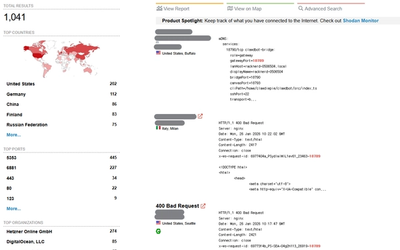
Shodan에서 노출된 ClawdBot 인스턴스들의 보안 위험과 Cloudflare Tunnel을 사용한 안전한 설정 방법을 알아봅니다.

Claude Code에서 Google Stitch MCP 연동하기: AI로 UI 디자인 자동화
Google Stitch를 Claude Code와 연동하여 텍스트 프롬프트만으로 전문가 수준의 UI를 생성하는 방법을 단계별로 알아봅니다.